Q & A with Danny Hagen
-
Why are you running for re-election as Skagit County Assessor?
I am running for re-election to continue the work of administering Skagit County’s property tax system fairly, accurately, and transparently. Property taxes fund essential local services, and the Assessor’s role is to ensure those taxes are distributed equitably and based on sound, defensible practices.
Over my term, I have focused on strengthening assessment equity, improving transparency, modernizing systems, and expanding public education so taxpayers better understand how values are determined and how the process works. That experience matters. The work of assessment is complex and ongoing, and continuity, institutional knowledge, and steady leadership help ensure the system remains fair and trusted.
I am seeking re-election to build on that progress and continue serving Skagit County with care, consistency, and accountability.
-
What makes you the most qualified to get that job done?
I bring a rare combination of institutional knowledge, hands-on experience, and proven leadership. I grew up around the work of the Assessor’s Office and have spent more than eleven years building direct experience across nearly every function of the office, including over three years serving as the elected Skagit County Assessor.
That experience matters. The Assessor’s role is both technically complex and publicly sensitive. It requires a deep understanding of valuation, equity, statutory requirements, and public accountability, along with steady leadership in a position that is not always popular, but always important.
I take pride in serving the community where my roots are and where my family lives. I am qualified not just because of where I come from, but because of the experience I bring and the care I take in administering a system that must be fair, consistent, and worthy of public trust.
-
Why are you running as in Independent?
The Office of Assessor is not, and should not be, a partisan office. The work is technical, statutory, and rooted in fairness, not political ideology. Running as an Independent reflects how I approach the job every day.
I believe accountability matters. As an Independent, I am accountable for the performance of the Assessor’s Office and the integrity of its work, not to a political party. That approach allows me to collaborate across perspectives, focus on facts and equity, and keep the role centered on service to the entire community.
-
Why are you so passionate about equity in property taxes?
Property taxes are a reality for everyone, which makes fair and equitable administration essential. When similar properties are not treated similarly, or when the system is hard to understand, trust breaks down and the burden falls unevenly on taxpayers.
My focus on equity comes from a deep sense of responsibility to the community and from years of working inside the system. Equity does not happen automatically. It requires transparency, training, good data, and continual review. Historically, those tools were not always available, which made true equity difficult to achieve.
Over the past few decades, Skagit County has made meaningful progress in improving assessment practices, and I have been proud to be part of that work. I am passionate about continuing to strengthen equity by refining our methods, improving transparency, and ensuring the system works as fairly and consistently as possible for everyone.
-
What do you enjoy most about serving as Skagit County Assessor?
What I enjoy most is the direct connection to the people and places of Skagit County. The Assessor’s Office is required to visit every property in the county at least once every six years, which means we are constantly out in the community, seeing how the county is changing and listening to the people who live and work here.
That regular, face-to-face contact keeps the work grounded. It provides valuable feedback, builds understanding, and reminds us that behind every parcel number is a person, a family, or a business. It is a part of the job that reinforces why public service matters and why fairness, consistency, and respect are so important in how we do this work.
-
Why is public service so important to you?
Public service is important to me because it is about responsibility and stewardship. I was raised in a household where service to others was modeled every day, and that example stayed with me as I built my career and my family here in Skagit County.
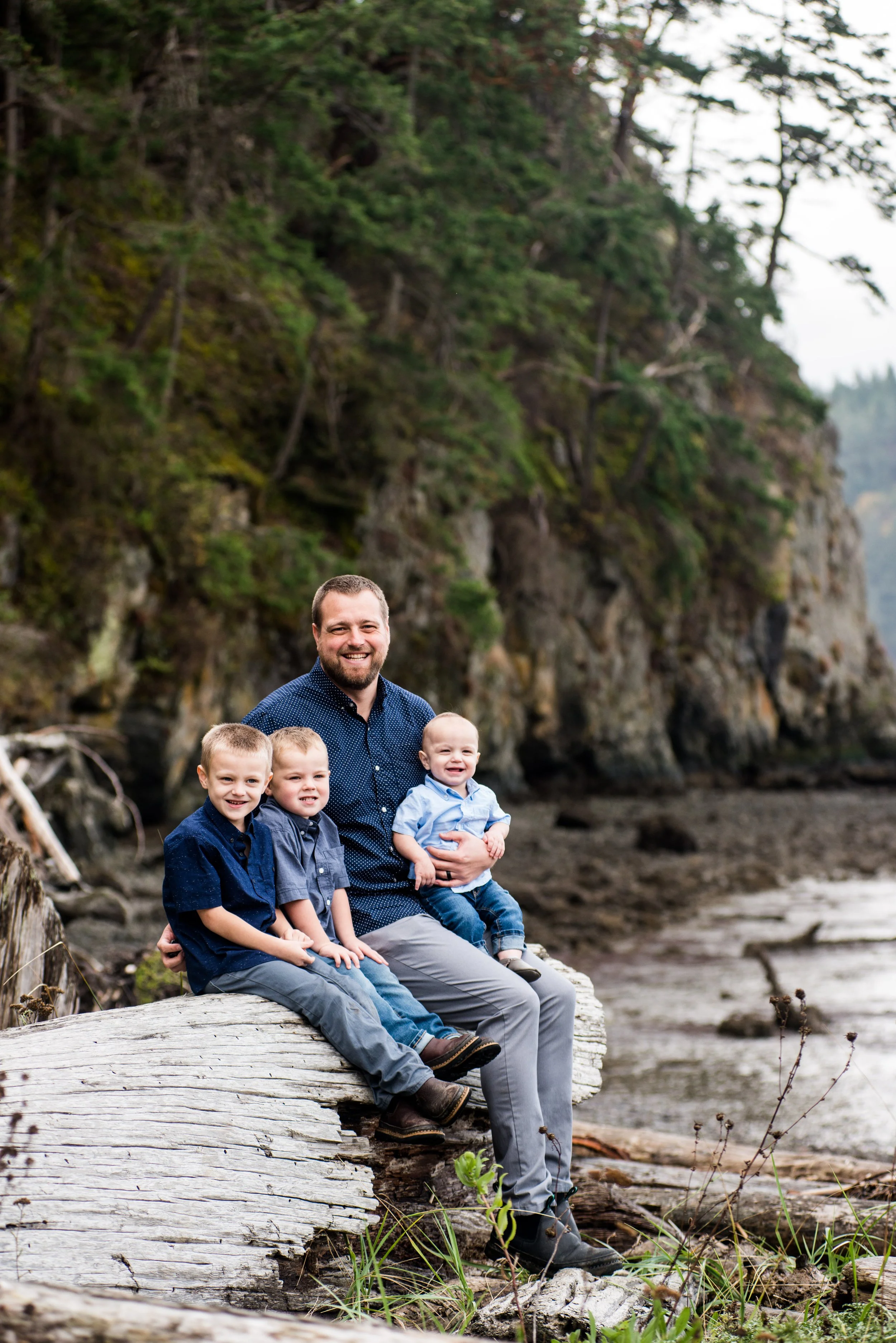
Whether professionally or through volunteer roles, I believe it is my responsibility to contribute in a meaningful way to the community where I was raised and where I am now raising my family. Serving others, helping systems work better, and supporting the well-being of people and neighborhoods is work I find deeply fulfilling, even when it is challenging.
-
What are your biggest strengths?
I bring an analytical, evidence-based approach to the work, grounded in real experience. Over the past four years, I have focused on strengthening assessment equity by using sales analysis and performance measures as management tools, not just compliance requirements, and by being open about where the system works well and where it needs improvement.
I also believe transparency and approachability are essential to public trust. I regularly speak to community groups, elected bodies, and taxpayers to explain how assessments work, invite questions, and encourage direct conversations with our office rather than hiding behind complexity.
Finally, I focus on building strong, durable systems. I have emphasized staff training, documentation, and thoughtful modernization so the Assessor’s Office continues to serve the public accurately and consistently over time. Together, those strengths allow me to lead in a way that is fair, accountable, and focused on long-term stewardship.
-
What does leadership mean to you?
Because of my Leadership Skagit foundation, I ground my approach to leadership in “The Five Practices of Exemplary Leadership” (Kouzes & Posner): Encourage the Heart, Inspire a Shared Vision, Challenge the Process, and my two personal favorites, Enable Others to Act and Model the Way. I try to always focus on these practices and expect team members and citizens to hold me accountable to those practices.
-
What do you love most about Skagit County?
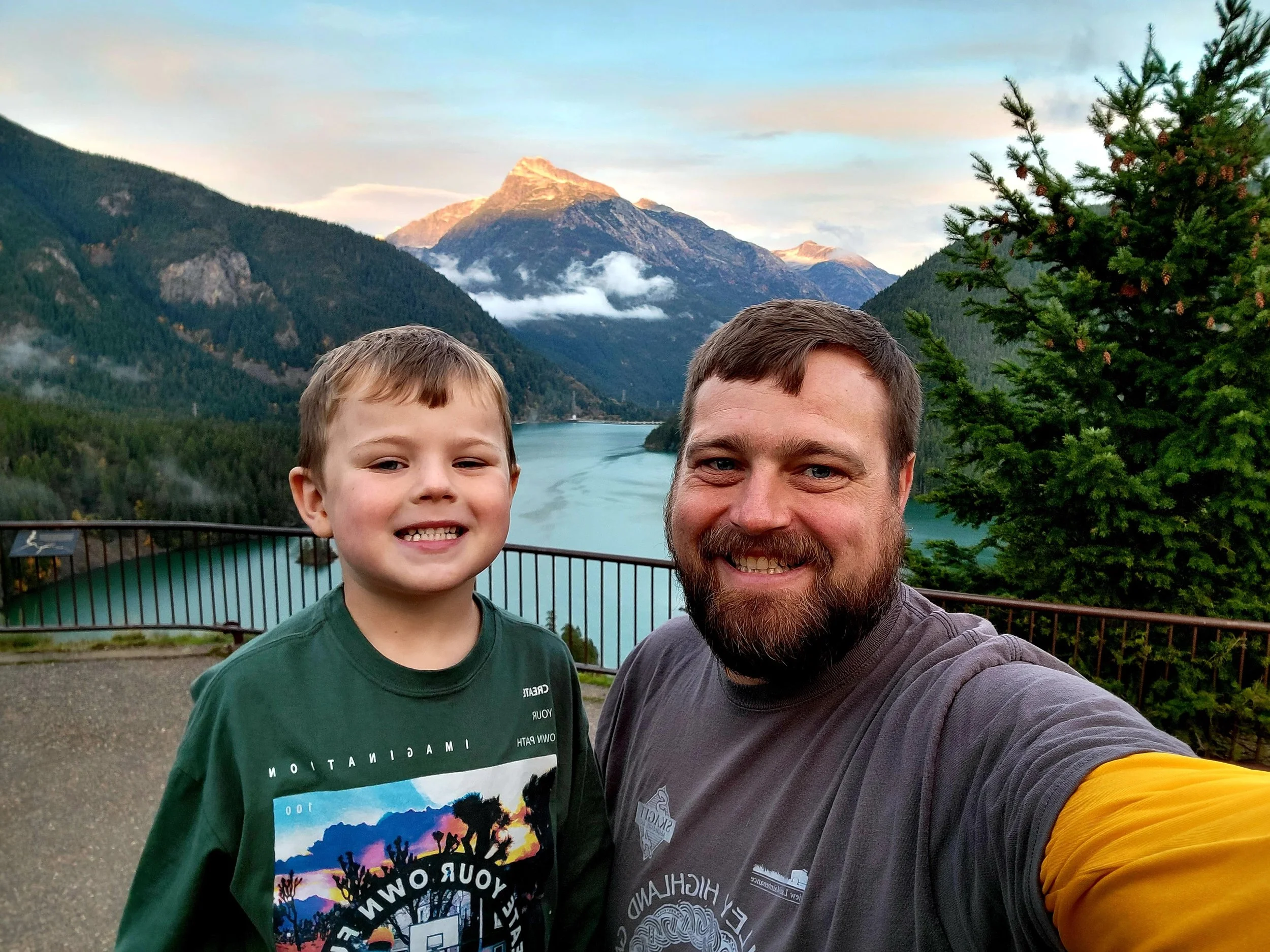
I love that Skagit County holds many worlds at once. I can spend time hiking in the North Cascades, drive through working farmland, and still be close to the water and the San Juan Islands. That connection to the land is real and lived, and it shapes the people who call this place home.
What I value just as much is the community itself. Skagit County is made up of longtime families, newcomers, farmers, tradespeople, small business owners, artists, retirees, and young families. Our Hispanic and Indigenous communities are an essential part of that fabric, shaping our culture, our economy, and our shared sense of place.
I’ve also seen how this community comes together when it matters most. After flooding and other challenges, neighbors show up to rebuild, support one another, and take care of those who are most affected. That blend of natural beauty, working landscapes, and people who step up for each other is what makes Skagit County special to me, and why serving here feels personal.
-
What are your favorite hikes in Skagit County?
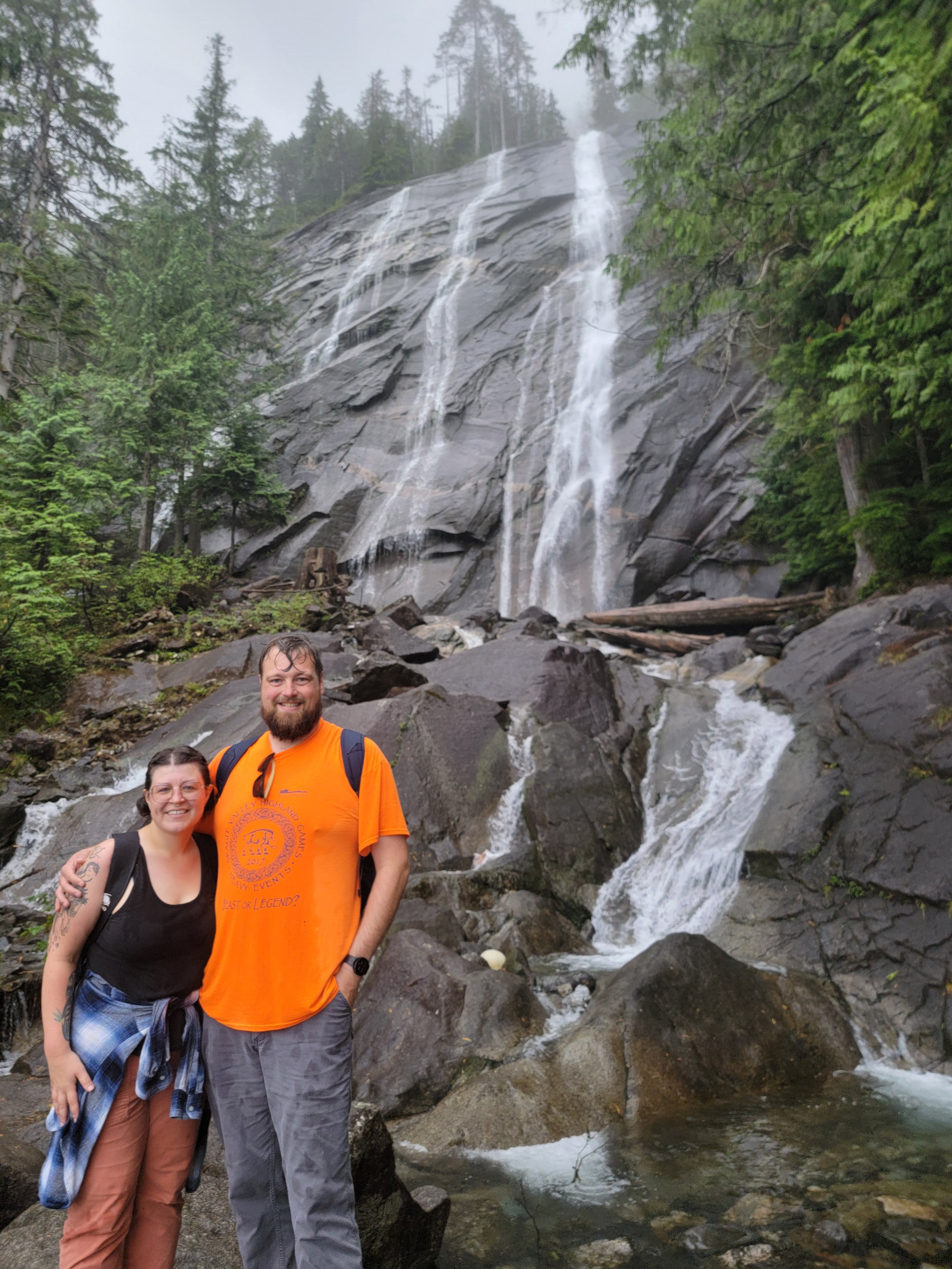
I love taking the family on hikes in our beautiful county. Where we wind up depends on the weather, time of year, and how many kids I am taking. Some of our anytime/any weather favorites are Anacortes Community Forestlands, Little Mountain Park, Padilla Bay Shore Trail, and Rockport State Park.
-
What is a budget-based property tax system? Why does Washington State have one?
Washington uses a budget-based property tax system to keep local taxes predictable and tied to community needs rather than market swings. In simple terms, property taxes are determined by three factors: assessed values, levy rates, and the budget approved by each taxing district.
Different states control different parts of that equation. Some limit how much assessed values can change. Others cap tax rates. In Washington, the focus is on controlling budgets. Most local taxing districts are limited to increasing their total property tax revenue by 1 percent per year, plus the value of new construction added to the tax base.
This approach means that when property values rise, tax rates generally fall, and when values decline, rates adjust upward, all while keeping the overall budget relatively stable. If a taxing district believes it needs more funding than the limit allows, it must ask voters to approve a levy increase. That structure is designed to balance stability, transparency, and voter accountability.
-
What are the advantages/disadvantages of a budget-based system?
A budget-based system is generally the most consistent for taxing districts and for tax payers. If property values drop, schools, police, and hospitals are not instantly forced to lay off their workers, further increasing the strain on the local economy and quality of life. Conversely when values go up extremely quickly, the levy rates generally adversely decrease so as not to create a large increase on tax payers who may not have seen an increase in income.
-
What is your "Why"?
My “why” is about stewardship and the responsibility we have to the next generation. I believe the decisions we make today should leave our communities stronger, fairer, and more resilient than we found them.
Public service gives me the opportunity to help build systems that last, systems that are stable, transparent, and worthy of trust. Whether it’s how we fund schools, maintain infrastructure, or ensure fairness in property taxes, this work shapes the world our children and grandchildren will inherit.
I am motivated by the idea that good government, done thoughtfully and with care, can improve lives over the long term. That commitment to sustainability, responsibility, and leaving things better than we found them is what drives me to serve.